Electron: What Is an Electron and Why Does It Matter?
We often hear about atoms, electricity, and chemical reactions, but there is a tiny particle working behind all of them—the electron. It is incredibly small, yet it plays a huge role in the world around us. The electricity that powers our homes, the chemical reactions happening inside our bodies, and the technology we use every day all involve electrons in some way.
What Is an Electron?
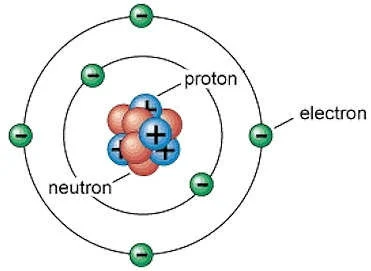
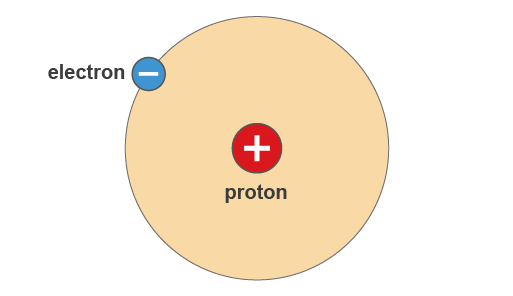
An electron is a subatomic particle that carries a negative electric charge. It is found around the nucleus of an atom, while protons and neutrons are located inside the nucleus.
Electrons are extremely light compared with protons and neutrons. Despite their tiny size, they have a major influence on how atoms behave. In fact, the way electrons are arranged around an atom helps determine how that atom reacts and bonds with other atoms.
How Do Electron Move?
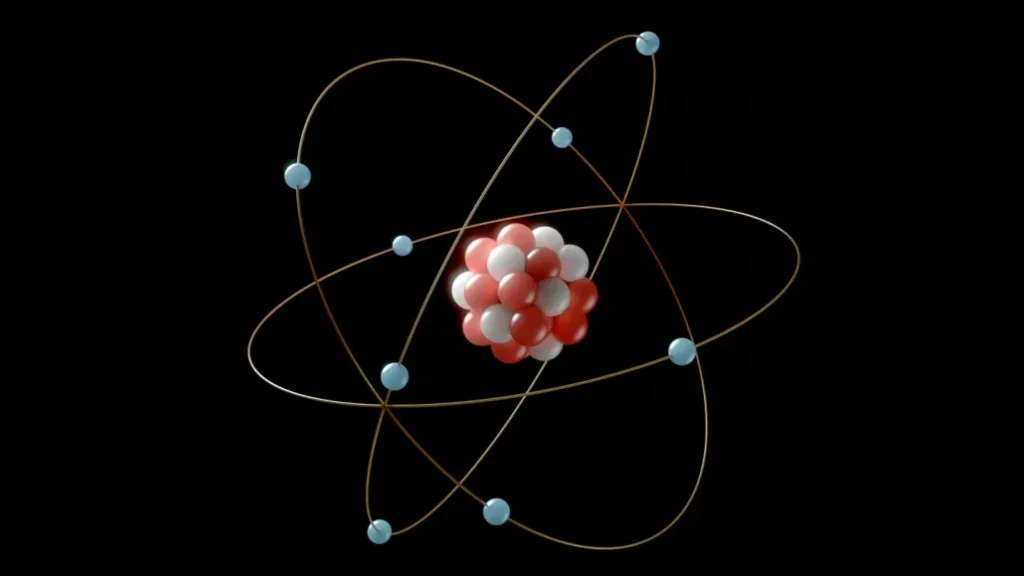
It is common to imagine electrons moving around the nucleus like planets moving around the Sun. However, the real picture is more interesting. In modern physics, electrons are described by areas of probability called orbitals. These regions tell scientists where an electron is most likely to be found.
The behavior of electrons is also a key part of chemistry. Atoms can gain, lose, or share electrons. When this happens, they can form chemical bonds and create new substances.
Electrons and Electricity
When most people think about electrons, electricity is probably one of the first things that comes to mind. That’s because the movement of electrons through certain materials creates electric current.
For example, copper wires allow electrons to move relatively easily. This makes copper useful for electrical wiring in homes, appliances, and electronic devices.
Modern technology also depends heavily on controlling electrons. Computers, smartphones, televisions, and other electronic devices use circuits that carefully manage the movement of electric charge.
Why Are Electrons Important?
Without electrons, the world as we know it would be completely different. They are involved in chemical reactions, electrical energy, materials science, and many areas of modern physics.
Scientists continue to study electrons to better understand nature and develop new technologies. Fields such as semiconductors, quantum computing, electronics, and energy storage all rely on our understanding of electron behavior.
Conclusion
The electron is tiny, but its impact is enormous. From powering everyday electronics to helping atoms form chemical bonds, electrons are involved in many of the processes that make our world work.
Understanding what an electron is may seem like a basic science lesson, but it gives us a fascinating look at the tiny particles behind electricity, chemistry, and modern technology.