Robots: The Future of Technology and Everyday Life
When most people hear the word “robot,” they probably imagine a machine from a science-fiction movie. But robots are no longer something we only see on the big screen. They are already helping us clean our homes, build products, deliver packages, and even support doctors in hospitals.
As technology moves forward, robots in the future could become an even bigger part of our everyday lives.
What Does the Future of Robots Look Like?
Robotics is developing at an impressive speed. Today’s robots can already complete repetitive tasks, move heavy objects, recognize their surroundings, and perform jobs that can be difficult or dangerous for people.
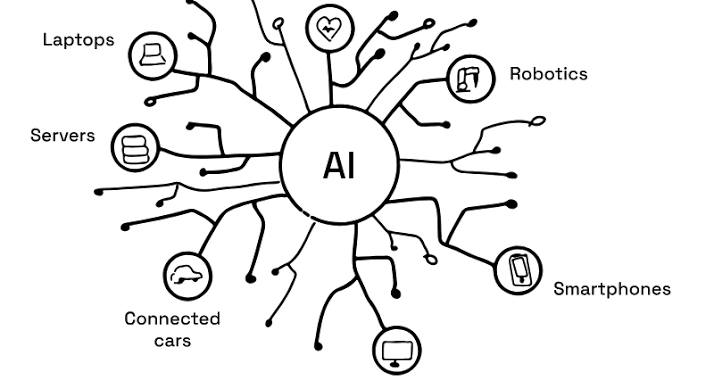
The next generation of robots could be much smarter. Thanks to artificial intelligence (AI), machine learning, and better sensors, robots may eventually understand situations, learn from their experiences, and respond to people more naturally.
This is where AI-powered robots could make a real difference. Instead of simply doing the same task over and over, future robots could adapt to different situations and figure out the best way to complete a job.
How Robots Could Change Everyday Life
Imagine coming home after a long day and having a robot take care of several household chores. While today’s robot vacuum cleaners can handle floors, future robots could potentially help with cleaning, organizing, carrying items, and other simple tasks.
It could also become valuable companions for older adults and people who need additional assistance. They might remind people about daily activities, help with basic household tasks, or provide support in emergencies.
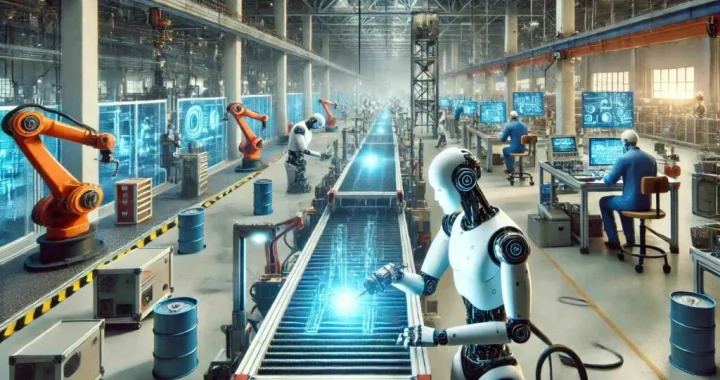
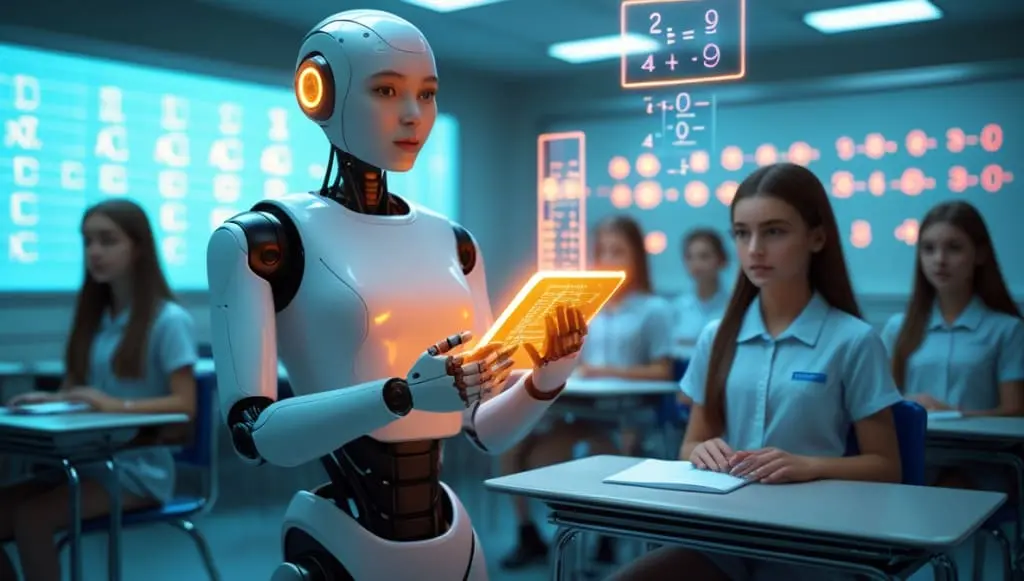
The workplace could see even bigger changes. Robots are already common in factories and warehouses, where they perform repetitive or physically demanding jobs. In the future, robots could work alongside humans in offices, hospitals, construction sites, and other industries.
Why Are Robots Important?
One major advantage of robots is their ability to handle dangerous or repetitive work. They can perform precise tasks without getting tired, helping businesses save time and improve productivity.
But the rise of robotics also brings challenges. People are understandably concerned about jobs, privacy, safety, and how much decision-making should be given to machines. These issues will need thoughtful solutions as the technology develops.
Conclusion
The future of robotics is not just about creating machines that can work faster. It is about finding better ways for technology and people to work together.
It may change many parts of our lives, but they don’t necessarily have to replace humans. The most exciting future could be one where humans and robots work side by side, combining human creativity and judgment with the speed and precision of machines.
The age of robots is already beginning—and the next few years could be even more interesting.